


 Get a Free Estimate from Local Trusted Experts!
Spring Creek Design
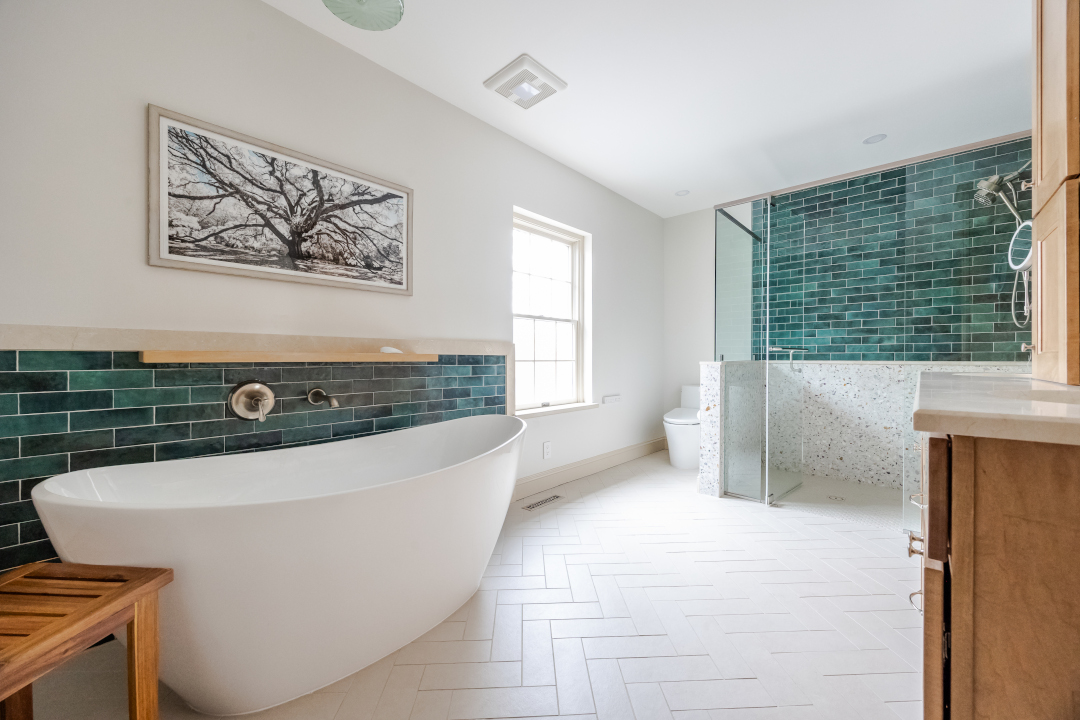
 Expertise: Home Remodeling
A tough decision that homeowners who are close to retirement routinely face is whether to move and downsize or remodel and age in place. Choosing between the two can be difficult because each comes with financial, emotional and practical trade-offs. While downsizing may reduce maintenance and housing costs, remodeling can allow homeowners to remain in a familiar home and neighborhood.
Spring Creek Design, an award-winning design/build firm, has an experienced team that has helped many homeowners age in place comfortably, safely and in style. We spoke to Pete Cooper, partner and lead designer, to find out more about how the company is able to transform homes with thoughtful designs that are both beautiful and functional.
What makes an aging-in-place primary suite different from a typical bedroom and bathroom addition?
An aging-in-place suite is designed to be both beautiful and functional. The goal isn't to make your home look clinical—it's to eliminate obstacles before they become problems.
A well-designed primary suite typically includes:
- A spacious bedroom with generous circulation around the bed.
- A curbless shower for easier entry.
- Wider doorways and larger floor spaces to accommodate walkers or wheelchairs if they're ever needed.
- Space planning that includes room for not just the occupant, but also a caregiver.
- Comfort-height toilets and vanities.
- Bright, layered lighting and non-slip flooring.
- Lever-style door handles and faucets that are easier on arthritic hands.
- Reinforced walls for future grab bars without disrupting finished tile later.
- Easy access to laundry and outdoor living spaces.
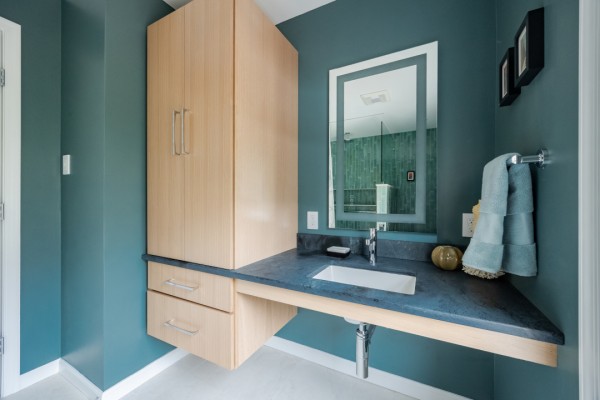 The best aging-in-place designs don't announce themselves. Guests simply notice a luxurious spa bathroom, an inviting bedroom filled with natural light and thoughtful details that make the home feel more comfortable for everyone.
When is the best time to plan an aging-in-place addition?
Earlier than you think. In fact, most projects require anywhere from four-to-six months for proper planning, designing and the obtaining of permits. Once that is squared away, you can be looking at another two-to-four months of construction, meaning the whole process from concept to completion can take the better part of a year.
Many people assume aging-in-place renovations are only necessary after a health event or injury. In reality, the best time to begin planning is while you're healthy, active and able to fully enjoy the finished space.
Designing ahead allows you to make thoughtful choices instead of rushed decisions driven by immediate need. It also gives you the opportunity to prioritize features that improve everyday living right now—larger showers, better storage, more natural light, easier access to outdoor spaces and a private retreat away from the activity of the rest of the home.
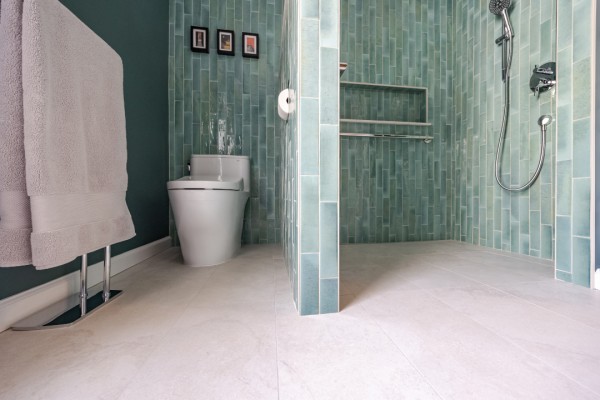 Perhaps their best advice is also the simplest: Enjoy your home while you're living there. Thoughtful planning, experienced design and quality construction can transform a two-story house into a forever home that grows gracefully with you.
An aging-in-place primary suite isn't just about preparing for tomorrow—it's about creating a home that's more comfortable, more functional and more enjoyable every single day.
Spring Creek Design
Honey Brook, Pa.
(610) 273-9194
SpringCreekDesign.net
Published (and copyrighted) in House & Home, Volume 26, Issue 2 (July/August 2026)
For more info on House & Home magazine, click here.
To subscribe to House & Home magazine, click here.
To advertise in House & Home magazine, call 888-202-5501.